The India-Pakistan Partition is one of the most significant and tragic events of the 20th century. But if you bring it up in North America, chances are most people (especially white) will give you a blank look. Many have no idea that 15 million people were displaced (and possibly 2 million people who died in a matter of a few days) in the largest migration in history—and that it happened less than a hundred years ago.
What prompted me to write this? A conversation I had yesterday with someone in Medina, Tangiers, who was utterly shocked when I told them about the Partition.
“Wait, that happened in the 20th century?” they asked, wide-eyed.
Yes, it did. And it wasn’t some ancient tale; it’s very much a part of the world we live in today.
Same Same: India or Pakistan?
The other moment that struck me was on the streets of Tangiers. A local asked me where I was from. When I said, “Pakistan,” he smiled and said, “Same same… India.” It’s an experience many of us have had while traveling.
I smiled back, but it got me thinking—how much do people really know about why Pakistan and India exist as two separate countries?
Chakk De Phatte and Sir Radcliffe
If you’ve seen Khosla Ka Ghosla (Bollywood Movie), you’ll remember the song Chakk De Phatte, a hilarious but meaningful anthem. The lyrics perfectly sum up the absurdity and chaos of the Partition:
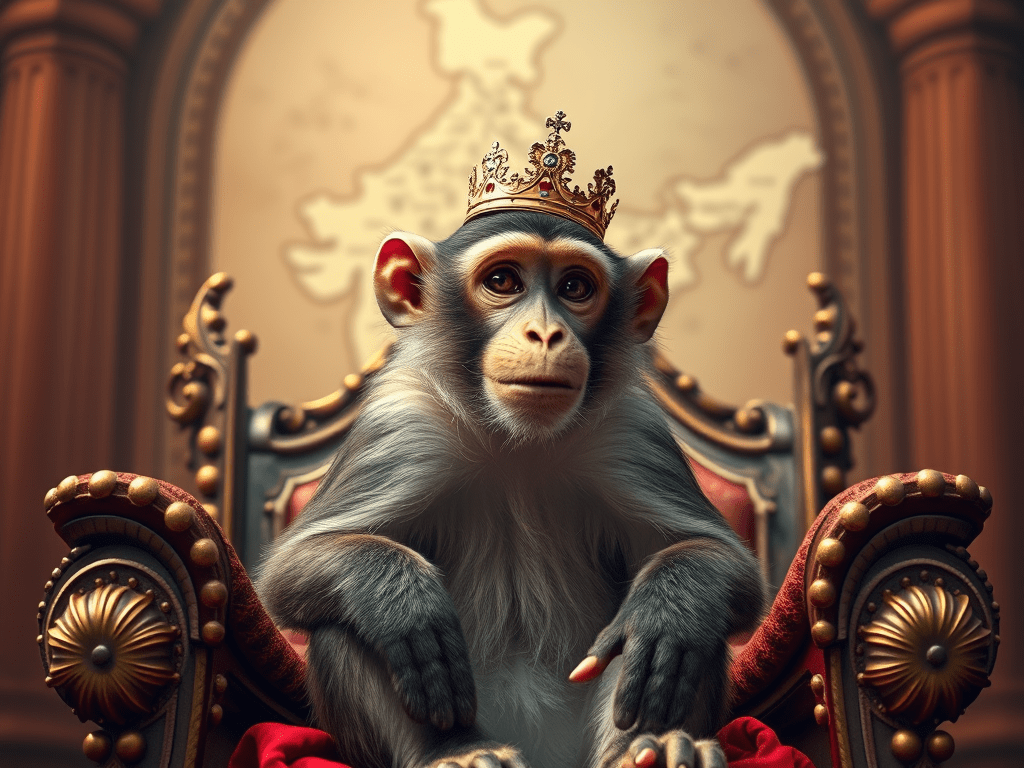
“Bandar bana Sikandar” (The monkey has become Alexander the Great)– That’s Sir Cyril Radcliffe, the British lawyer sent to draw the border between India and Pakistan. He had never set foot in India before. But in 1947, he was tasked with dividing 175,000 square miles of land and deciding the fate of 88 million people—all within five weeks.
Talk about “Bandar bana Sikandar”!
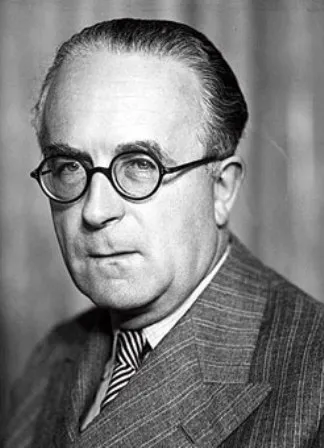
With no understanding of the region, cultures, or geography, Radcliffe drew the most infamous line in history. His map split villages, rivers, and families. Overnight, neighbors became foreigners, and the chaos that followed claimed up to 2 million lives.
Pirates Turned Rulers
It all started with the British East India Company, which arrived as traders but soon turned into colonial overlords. Think of them as pirates with a business plan—looting resources, dividing communities, and reshaping borders for their own convenience.
By the time they were done, they had taken everything from India’s riches to its unity. And in 1947, when the British decided it was time to leave, they thought: “Why not draw a line through the country on our way out?”
The Biggest Migration in Human History
The Partition caused 15 million people to migrate—Hindus and Sikhs moving to India, Muslims moving to Pakistan. Refugee camps sprang up overnight. Entire communities were uprooted. Trains packed with migrants became symbols of both survival and tragedy. Families were separated forever. The Partition isn’t just a chapter in history; it’s a wound that still feels fresh for many of us.
Why This Story Matters
If you’re from North America and this is the first time you’re hearing about it—you’re not alone. It’s rarely taught in Western schools. But it’s a story that shaped two nations and left a legacy that the world is still dealing with today.
So, next time you hear Chakk De Phatte, think of Sir Radcliffe’s shaky pen, the British pirates who drew borders, and the millions who had to rebuild their lives from scratch.
As for me, I’ll keep smiling when someone says “India, Pakistan—same same”, but I’ll also tell the story of how one became two. And if we’re lucky, they’ll listen.
BTW You can listen to the song here…
https://open.spotify.com/track/6YzFl4Vt1WmuJTmTrNkpZh
 Halai
Halai 
Leave a comment