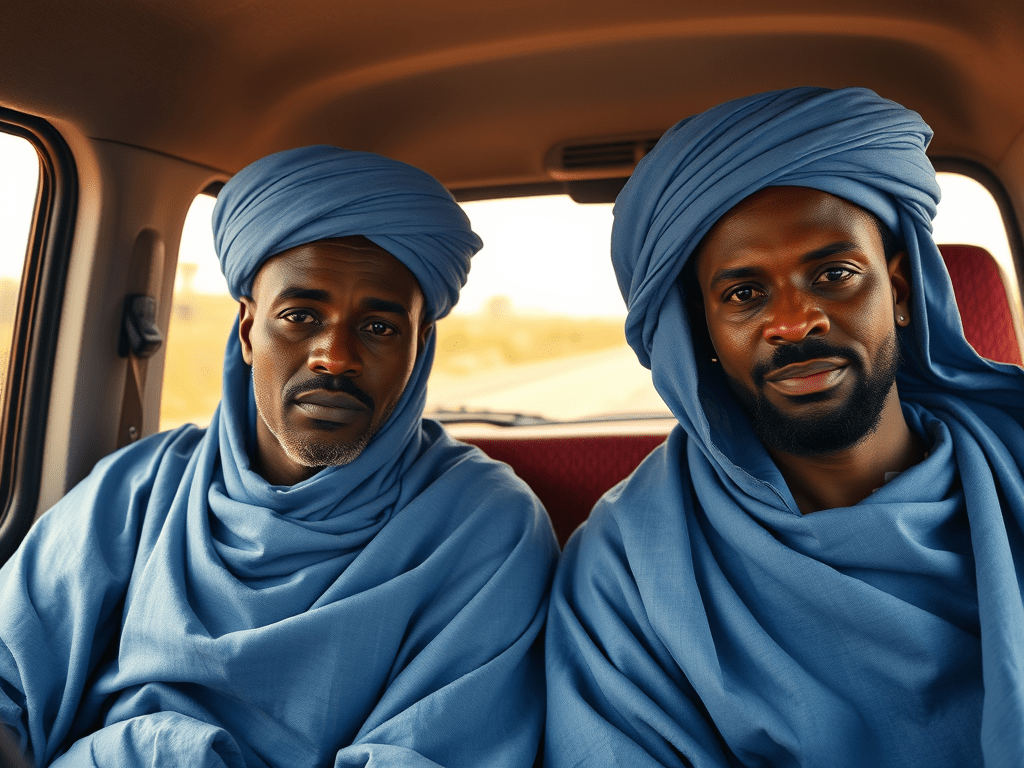
There’s something about long bus rides in the Global South that makes you question everything—your identity, your place in the world, and the narratives we’ve been fed about who we are. On a shared taxi ride from the Mauritanian border, this feeling settled in deeply.
As we crossed into Mauritania, we got divided (we noticed straight away its more conservative than Morocco) —the girls sat in the front, and I found myself wedged between two Mauritanian men. They were dressed in layers of flowing blue cloth, garments that looked both regal and practical, allowing for ventilation in the desert heat. They were fasting, I believe. There was little conversation at first, just quiet acknowledgment. But when I quickly greeted them with an “Assalam alaykum,” followed by “wa rahmatullahi wa barakatuhu,” I felt a shift. That extra phrase, that additional effort, suddenly made me belong.
And yet, belonging is complicated.
The Layers of Identity
It’s funny—when I travel, I find myself adjusting, shifting between worlds, fitting in with ease until the inevitable question comes: “Where are you from?” I say “Canada” because I have the passport, because I’ve lived there for 28 years, because, technically, that is the correct answer. But is it? The question is always loaded. It’s never just about citizenship—it’s about roots, about blood, about history.
One of the men beside me leaned in and said, “Tell all the authorities you are Canadian. They will treat you better. It will be easier.” And I knew he was right. I knew exactly why.
The Great Divide: Global North vs. Global South
This is what the Global North has successfully constructed—the idea that citizenship from certain countries grants you status, safety, and respect, while citizenship from others does the opposite. We see it in visa policies, in airport security checks, in how embassies treat applicants. The Global North has not just dominated economies; it has dominated narratives.
For decades, people in the Global South have been told that the North is the pinnacle of progress, that wealth and power make their systems superior, and that the South should aspire to be like them. But step into the realities of these so-called “underdeveloped” or “developing” nations, and the truth is different. There is dignity, wisdom, and resilience here that the North rarely acknowledges.
Understanding Mauritania: Four People, One Nation
The man on my left, the one who advised me on wielding my Canadian passport as a shield, also taught me something about Mauritania.
“There are four people who make Mauritania,” he said.
- The Poliris – The Berbers from Western Sahara, nomadic traders and desert navigators.
- The Arabs – Influential in politics and trade, deeply intertwined with the broader Arab world.
- The Senegalese – The communities with historical ties to the lands further south.
- …And the Fourth? – A mix of other ethnic groups who have moved through Mauritania over time.
A population of just 5 million people, yet a history shaped by migration, trade, and colonial scars.
Belonging in Two Worlds
As I sat there, absorbing this history, I realized something: I felt like one of them. And at the same time, I felt like one of the Western travelers I saw bike-packing through the desert. It’s a tricky thing, being me. Straddling two worlds, speaking multiple languages but never quite fluently enough, fitting in everywhere but always being questioned.
It’s not an identity crisis—it’s an identity paradox. A constant negotiation between who I am, where I’m from, and who the world assumes me to be.
Maybe the real journey isn’t just across borders but through these questions. And maybe, just maybe, the answers don’t matter as much as the conversations along the way.
Observation
When arriving into Senegal from the Mauritanian border one person was selling the Senegal pin (like the one Donald Trump wears when he does public appearance of the US flag on his suit). I told him, I don’t support any country, any border and any lines that divide people further. My wish is one day, there are no borders no immigration, and no lines of control. Just hearts and beautiful minds. Many little conversations here have made me feel … we were waiting for you for a long time.
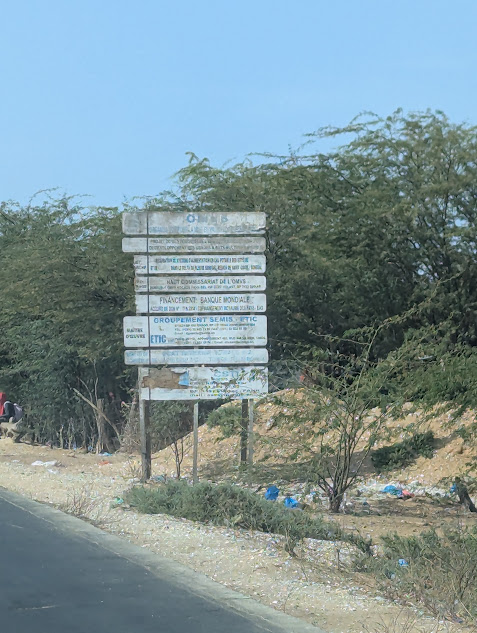
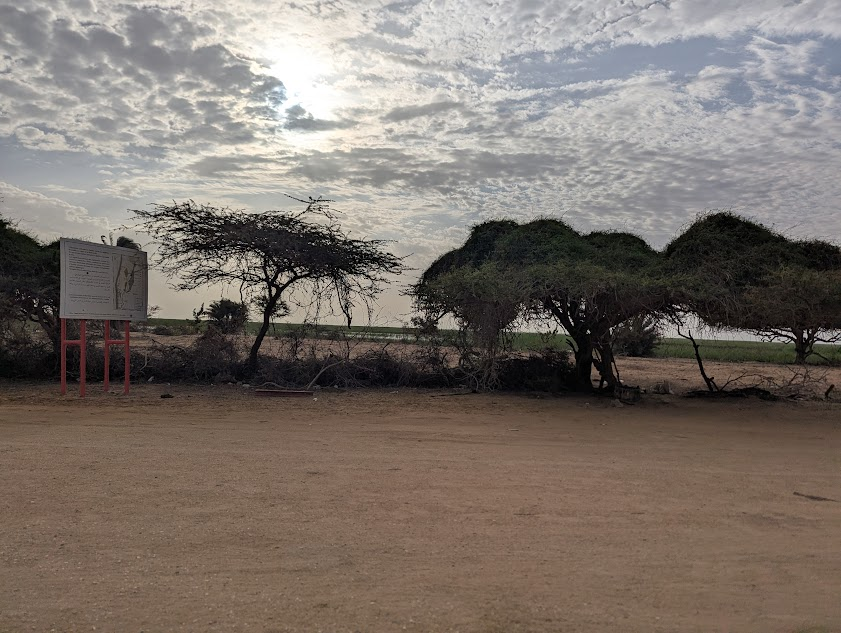
This was a bird sanctuary near the Senegal border in Mauritania saw a few interesting ones and when we crossed into Senegal and after St Louis, saw Vultures!
 Halai
Halai 
Leave a comment