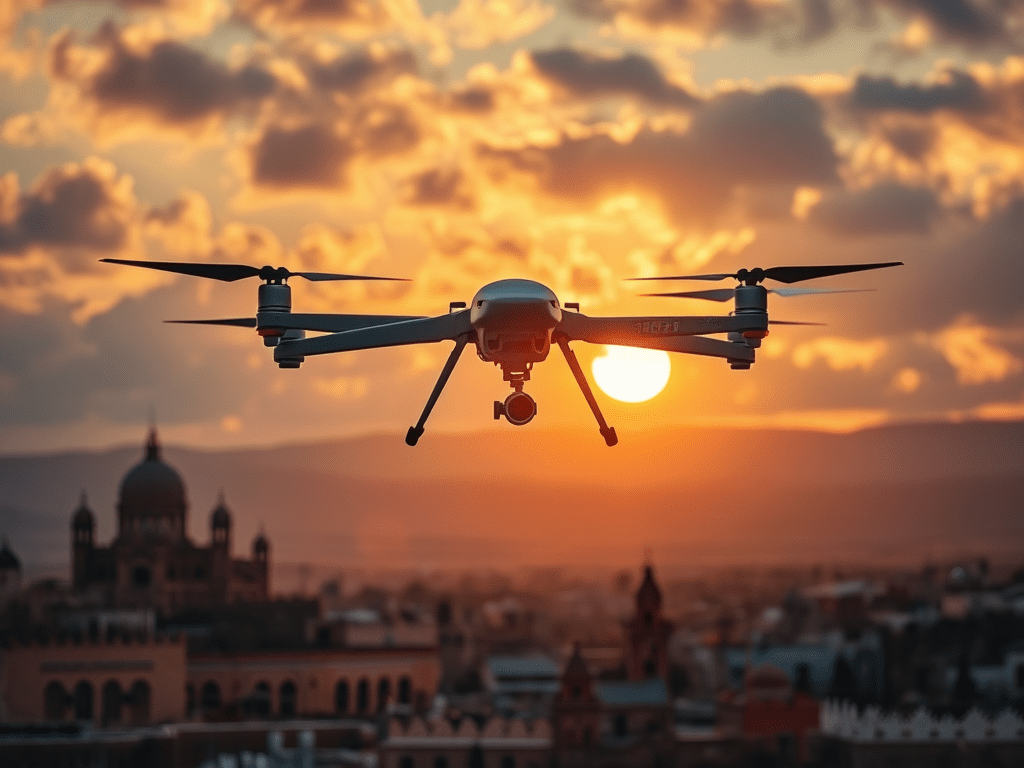
There’s something unsettling happening in North Africa, and I can’t shake the feeling that it’s deeper than the headlines let on. Morocco — a land of vibrant traditions, ancient cities, and breathtaking coastlines — is quietly becoming a key player in a military and geopolitical game that could reshape the region. The question I keep asking is: Why is Morocco buying weapons from Israel?
Let’s start with the obvious. Morocco and Israel normalized ties in 2020 as part of the Abraham Accords, brokered by the U.S. In return, Morocco got what it wanted: American recognition of its claim over the Western Sahara — a decades-long source of regional tension and unresolved colonial legacies. The handshake came with invisible strings. Trade. Intelligence sharing. And now, weapons.
Israel, one of the most advanced arms exporters in the world, has sold Morocco drones, cybersecurity tech, and possibly missile defense systems. These aren’t symbolic deals. Morocco isn’t buying fancy toys for parade day. These weapons have a purpose — and a target.
But who is Morocco preparing for?
The Western Sahara conflict is at the heart of it. Morocco claims the land. The Polisario Front, supported by Algeria, fights for independence. That brings us to the neighbor issue: Morocco and Algeria are in a cold war, diplomatically severed since 2021. Border closed. Words sharp. Arms buildup on both sides.
So Morocco is buying from Israel not just for tech superiority — but for leverage. To show Algeria and the Polisario: “we’re not playing anymore.” And Israel? They’re selling not just for money, but for deeper influence in North Africa and leverage over global Muslim solidarity that once stood against them.
But here’s the part that’s harder to swallow.
While arms deals are flying and intelligence cooperation deepens, goods are flowing too — straight from Morocco to France. Agriculture. Fish. Phosphates. Even cannabis. But who benefits from this? Often not the Moroccan farmers or workers. It’s corporations — many with ties to European conglomerates — that profit. The ordinary Moroccan still struggles with inflation, high youth unemployment, and the painful bite of an unequal economy.
And then there’s the IMF and the World Bank — the ever-smiling lenders with a velvet glove and an iron fist. They come with promises of reform, loans for “stability,” but in reality, structural adjustment means privatization, austerity, and the slow erosion of public wealth. The Moroccan government, saddled with debt and eager to modernize, is dancing to their tune — slashing subsidies, raising taxes, and opening markets that benefit foreign interests more than locals.
It all starts to feel like a tragic loop:
- Morocco buys weapons from Israel to assert dominance in Western Sahara.
- It sells raw goods to Europe under unfair terms.
- It borrows money from institutions that deepen dependency.
- It angers neighbors, isolates itself diplomatically, and tightens repression at home to maintain “stability.”
So what is Morocco going to do? Honestly, I don’t know. But I do know this: when you dance with the devil, the music always stops eventually — and someone’s left paying the price.
Is Morocco gaining power? Maybe.
Is it losing its soul in the process? That’s the real question.
 Halai
Halai 
Leave a comment