By a Worldschooling Entrepreneur on the Road from Mirleft, Morocco to Granada, Spain
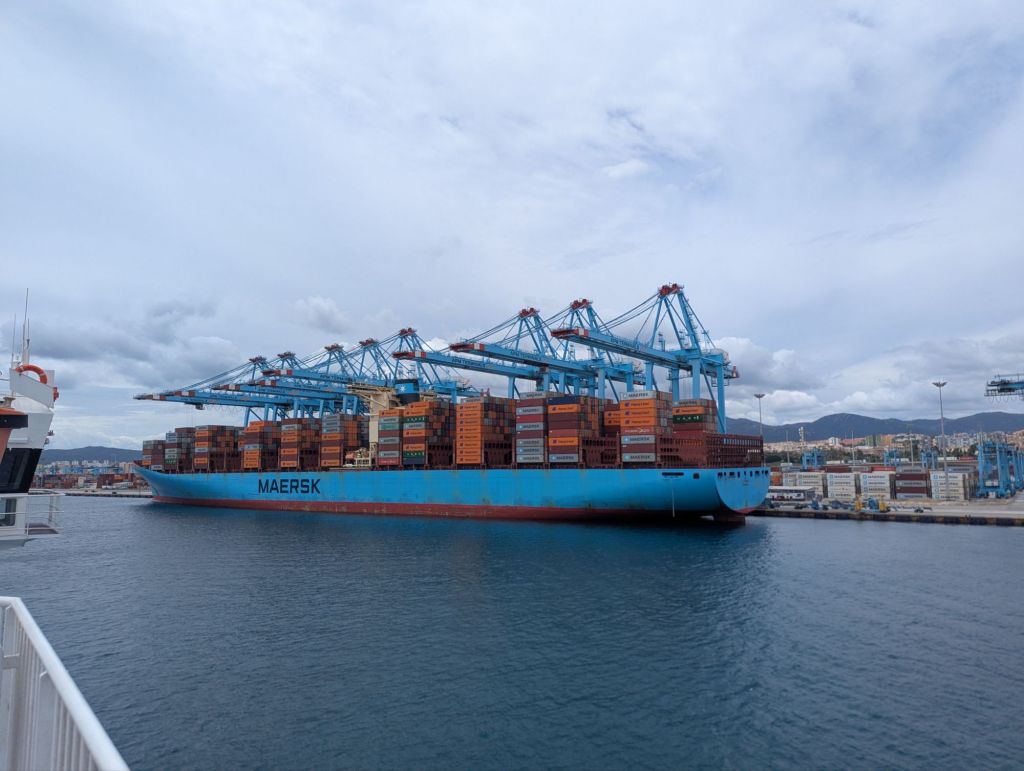
We left Mirleft, a sleepy coastal town in southern Morocco, just before sunrise. The wind off the Atlantic was still gentle, the air thick with salt and sand. Our family—worldschooling across borders, currencies, and customs—was headed to Granada, Spain. The journey would take us through Tangier and across the Strait of Gibraltar. It was a crossing of oceans, but also of mindsets.
In Morocco, money is physical. You feel it leave your hand. A 20-dirham note buys you fresh juice or a ride across town. There’s eye contact, a smile, a thank-you. The transaction is human.
But the moment we arrived in Spain, money became invisible.
The Illusion of Ease
Touchless payments are marketed as modern and efficient. A tap here, a swipe there. No need to count change. But the real cost of convenience is hidden—in fees and in habits.
Each transaction feeds a silent chain of middlemen: payment processors like Visa, Mastercard, Stripe, and Apple Pay. They take 2–3.5% of every sale. That’s €0.70 on a €20 meal, gone before the restaurant owner even sees it.
Then comes the tip screen. You’re nudged: 15%, 18%, 22%. Choose “Custom Tip” and you feel guilty. Emotion weaponized by interface.
With cash, you avoid the guilt trap. You pay exactly what you owe—and often, less.
Cash Helps You Save
Traveling with cash rewired how I think about money. Here’s why:
- Cash sets a ceiling. You can’t overspend what you don’t have.
- Cash makes you conscious. You see your money leave. That pain point is a feature, not a bug.
- Cash builds leverage. You can negotiate. Haggle. Pay small vendors directly.
- Cash avoids fees and upsells. No card charges, no digital tips, no foreign transaction gouging.
We saved more traveling with cash—not because we spent less, but because we spent smarter. Cash makes you present.

A Rooftop Realization in Karachi
It wasn’t until a late-night chai on a rooftop in Karachi that I began to understand something deeper.
I was talking to my cousin about a real estate deal I was proud of. I’d secured a low-interest mortgage and felt I’d “won.” He looked at me, shook his head, and said:
“You know that interest is not just haram. It’s violence in disguise.”
That line hit me harder than I expected.
He explained: interest doesn’t just rob people—it enslaves them. It’s how governments fund wars, how corporations swallow small businesses, how entire generations are shackled to debt for things as basic as a home or education.
And real estate interest? He called it the worst of all.
Why Real Estate Interest is Especially Dangerous
- You borrow $300,000.
- You repay $600,000 over 30 years.
- The bank created that money out of thin air—not savings, just digits.
- Meanwhile, property prices inflate due to credit availability, pushing others out.
- You think you’re building wealth, but you’re just feeding the machine.
That machine isn’t neutral. It’s designed to extract.
And interest isn’t passive. It demands perpetual growth, consumption, and conquest to sustain it.
Interest, War, and the Blood of the Innocent
It sounds extreme. But follow the money.
- Wars are funded by debt.
- Debt accrues interest.
- Interest demands profit.
- Profit demands conflict.
The death of an innocent in a war zone is often financed by an interest-bearing loan somewhere in a wealthy country. The system is connected. The blood is on the spreadsheets.
Returning to Human Transactions
In Granada, we walked the cobbled streets of the Albaicín and bought ice cream from a vendor on the corner. I handed him a €10 note. No processors. No apps. No deductions. Just gratitude exchanged directly.
That’s the world I want to live in. That’s the economy I want to teach my kids to build.
Final Thoughts from a Worldschooling Entrepreneur
I no longer use credit cards unless absolutely necessary.
I keep cash in my pocket.
I pay people directly.
I refuse to earn interest.
I reject the idea that money must move through machines to be valid.
Because the more we let our money become invisible, the easier it is to forget the true cost of our convenience—and the violence it sustains.
So here’s to cash, to clarity, and to freedom.
And here’s to my cousin in Karachi—who woke me up when I needed it most.
 Halai
Halai 
Leave a comment