Last night, on the way back from Carrefour 24-hour (yes, yes—I know it’s on the Zionist boycott list, but I really needed eggs), we stumbled upon something wild. And I mean wild—a big, black boar right in the middle of the road. Like a hairy, tusked reminder that we are deep in rural Italy now, where Carrefour and chaos coexist in the moonlight.
We’ve made it to Italy, the fifth country on our current slow travel worldschooling journey. It’s been quite the ride. We left Granada, took a short but colorful detour into Valencia, where the girls fell in love with Brandy Melville and I fell into urban observation mode. Vibrant streets, friendly energy, and—surprise—plenty of Indians around, which immediately had me wondering about opportunity zones and migrant economies.
We then drove to Barcelona, had a lovely meal by the airport (not something I often say), returned our rental, and caught our flight to Rome. That brings us here, to a farmhouse with a pool, surrounded by hills and cypress trees—a place we’ll call home for the next month.
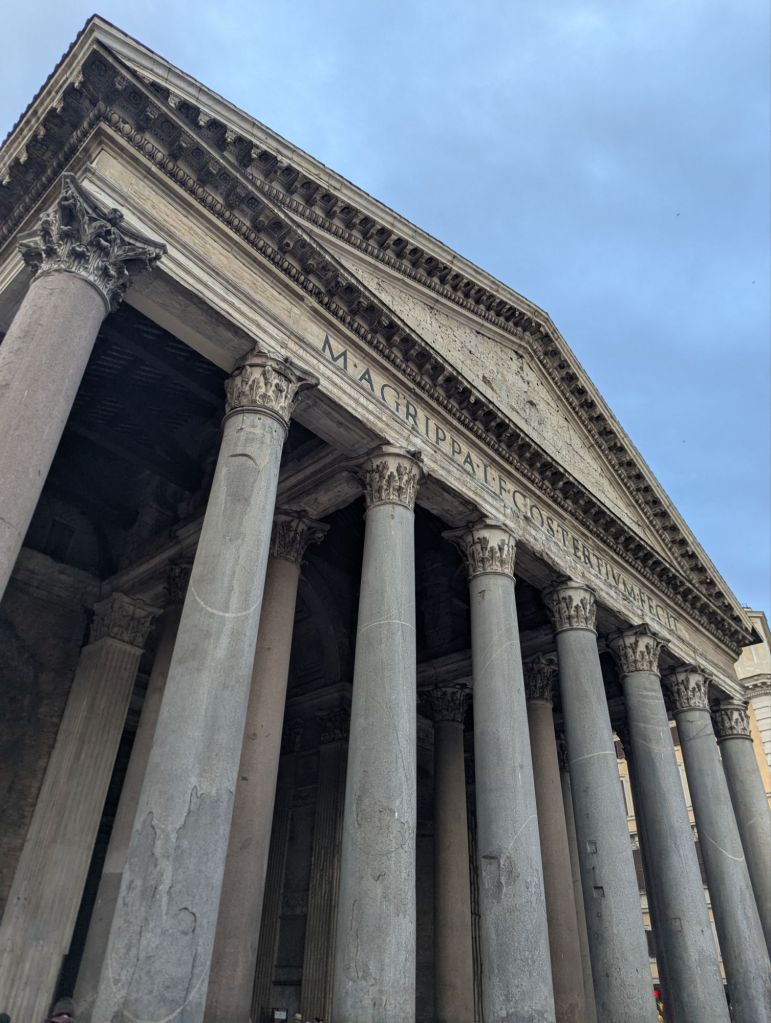
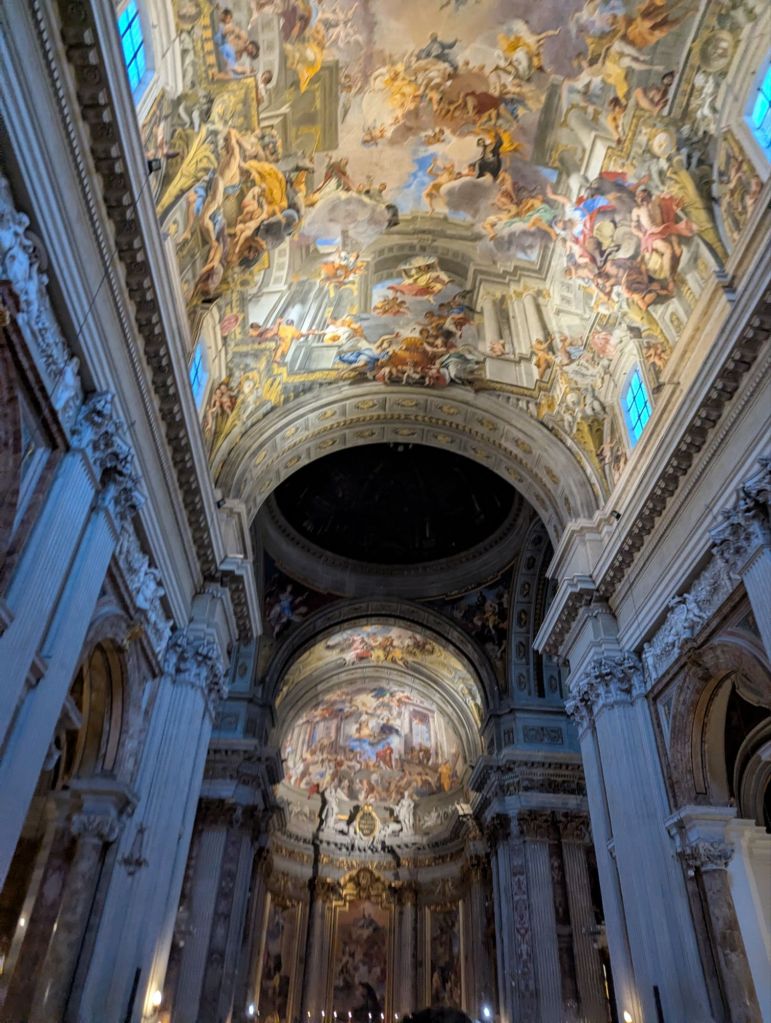
Rome’s already been generous. Today, by pure chance, we visited the Pantheon, and then a quiet chapel nearby—centuries-old and spiritually still. As someone who just visited the Hassan II Mosque in Casablanca a few weeks ago, it’s hard not to notice the architectural echoes, the spiritual grandeur, and the not-so-subtle undertone of religious “one-upmanship.” Whether mosque, church, or temple, you can’t help but feel how religion, too, has played its part in the race for cultural dominance.
And the gelato? Meh. Overhyped. The food? Not bad. But maybe we’re just spoiled by Moroccan tagines and the Seingalese Yasa Poulete.
What strikes me most, though, is the vibe. Italy feels… easier. More laid-back than Spain. People are a little warmer, less performative, a little more used to mess and motion. And cheaper, believe it or not—especially outside the big cities.
I’m streamlining work as we travel, and I’ve got a new pet project I’m quietly excited about. One step at a time.
—
Some thoughts and history from this land:
Italy wasn’t exactly the biggest colonizer like Spain or Britain, but it did try. Late to the game, Italy’s colonial ventures began in the late 19th century. They colonized parts of Libya, Eritrea, Somalia, and even had a brief and brutal stint in Ethiopia under Mussolini’s fascist regime. Unlike Spain’s vast empire, Italy’s colonial footprint was smaller but not insignificant.
As for why some Italians are darker-skinned, it’s partly due to this long history of Mediterranean exchange, invasions, and empire. Southern Italy—especially Sicily and Naples—has centuries of interaction with North Africans, Arabs, Greeks, and Spanish, plus natural proximity to Africa across the sea. It’s the crossroads of cultures, and it shows in the people, the food, the language.
Compared to Spain, Italy feels less corporate, more agrarian. Compared to Morocco, it’s more secular and visibly wealthier. Compared to Mauritania and Senegal, it’s light years ahead in infrastructure, but oddly lacking in the joy and music that fill the streets of West Africa.
—
Quick Facts About Italy for the Curious Mind:
Population: Around 58 million
Economy: One of the top 10 economies globally. Big on fashion, automotive (hello, Fiat and Ferrari), tourism, and food exports.
Religion: Predominantly Roman Catholic, though increasingly secular.
Average cost of living: Cheaper than Canada or the U.S., especially in smaller towns.
Biggest cities: Rome, Milan, Naples, Turin, and Palermo
Random fact: Italy has more UNESCO World Heritage sites than any other country in the world.
—
So, here we are. Five countries in, and probably one more to go. From the minarets of Casablanca to the chapels of Rome, the kids are getting an education no textbook could ever teach.
And next time, I promise, we’ll try a different grocery store. Unless we are out of time again!
 Halai
Halai 
Leave a comment