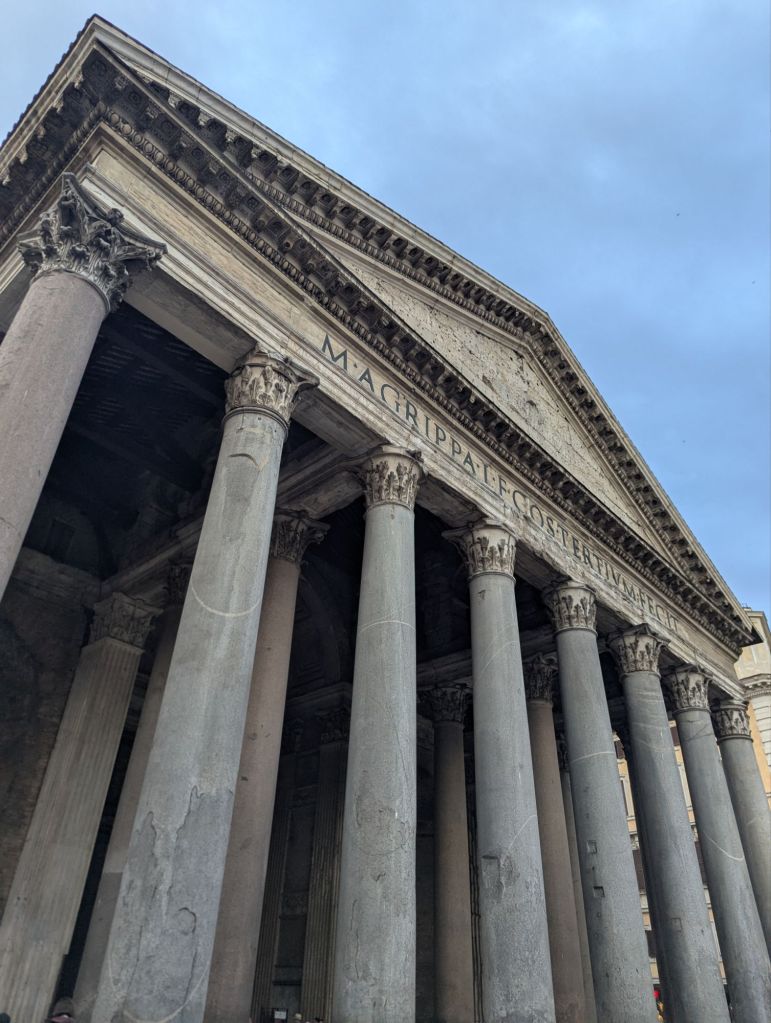
I’m writing this from Rome—we finally made it! We flew in from Barcelona and are staying in a peaceful little pool house about 35 minutes outside the city. It’s on a big piece of land, which has its perks, though we’re making do with just one bathroom. It’s been a week of settling in, adjusting to the rhythms of a new place—and reflecting.
We’re traveling light—or so we thought. We packed Osprey bags, which seemed perfect for this kind of trip. But now I’m questioning that decision. No wheels, quite heavy, and still subject to carry-on fees. There’s got to be some hidden traveler’s trick I’m missing.
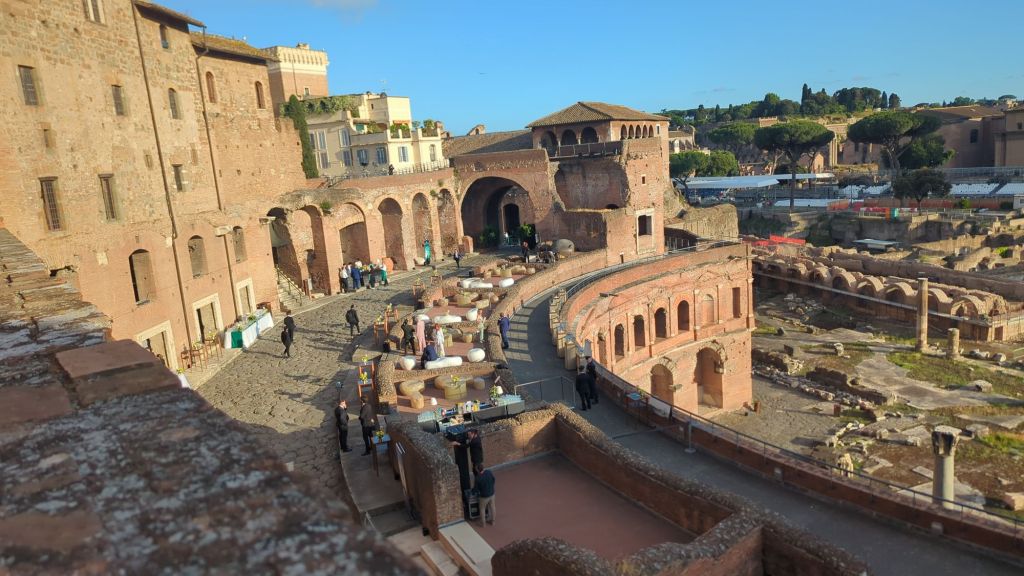
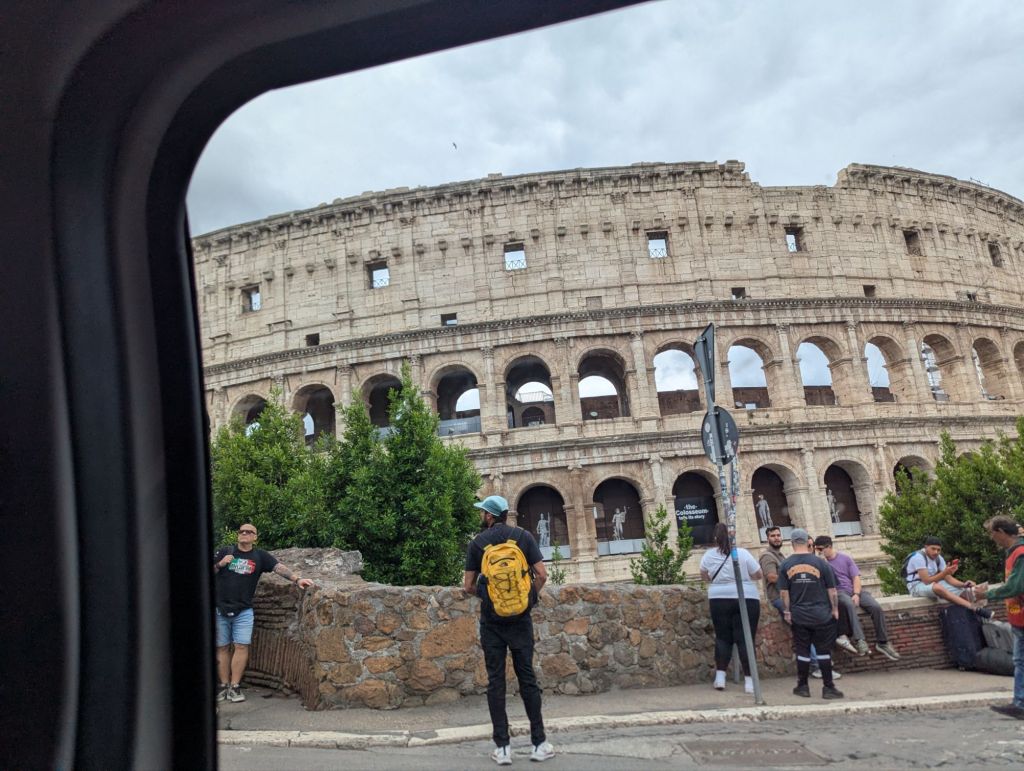
One of the first things that caught my attention in Rome, beyond the architecture and ancient ruins, is the large number of Bangladeshi people—especially working around the tourist sites. I remembered seeing this once before, in Buffalo, New York, but not quite on this scale.
It turns out Bangladeshis have built a strong migrant network in Italy since the late 1980s. Many arrived initially through student visas or family reunification, and over time, established themselves in small businesses like souvenir shops, mobile accessories, and food stalls—especially around tourist-heavy areas. Italy’s relatively open approach to regularizing undocumented workers in the 1990s and 2000s also encouraged this trend. What’s fascinating is how tightly-knit the Bengali community is, often helping each other find jobs and accommodation, almost like a self-replicating ecosystem—reminding me of Jewish or Chinese diaspora networks around the world.
Another thing that hit us—harder than expected—was the currency exchange. I changed 200 Canadian dollars and got back just 115 euros. Ouch. Naturally, I asked the man behind the counter what the strongest currency in the world is, and without skipping a beat, he said: “The British pound.”
That made me wonder—why is the pound so strong?
Turns out, a strong currency doesn’t always mean a strong economy. The British pound has historically maintained high value due to limited supply, high demand, and investor confidence in the UK’s financial system. Similarly, currencies from oil-rich Arab nations—like the Kuwaiti dinar or Omani rial—are extremely valuable because of fixed exchange rates and high foreign reserves, not necessarily because the average citizen is wealthy. It’s a reminder that numbers on a screen don’t always reflect real-life purchasing power.
In contrast, the Canadian dollar is a commodity-linked currency. When global oil prices drop, so does the loonie. And right now, with economic uncertainty and interest rate changes, it’s taken a beating.
But Rome? Rome has been a balm for all that. The food has been fresh and simple, the people genuinely warm. Compared to Granada or our quick stop in Valencia, Rome feels more open, easier to connect with. The language has its own rhythm—smooth, flowing, almost musical. English feels rigid in comparison.
The last two days, I’ve been running with my daughter. Our 10K in Granada was a turning point—physically and mentally. It reminded me that movement brings clarity.
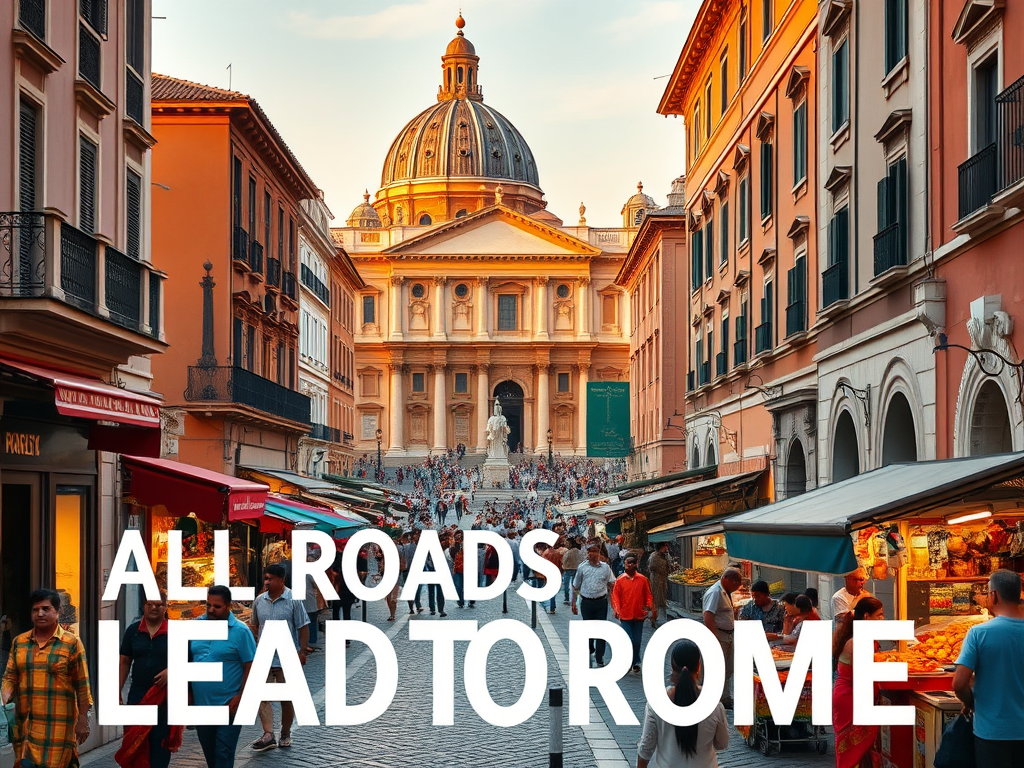
As the old saying goes, all roads lead to Rome. And for us, right now, this road feels exactly right.
Next stop: the London.
 Halai
Halai 
Leave a comment